Three Days in Guangzhou, Four Containers, and Zero Missing Items
Chibueze Chukwuka · September 20, 2026
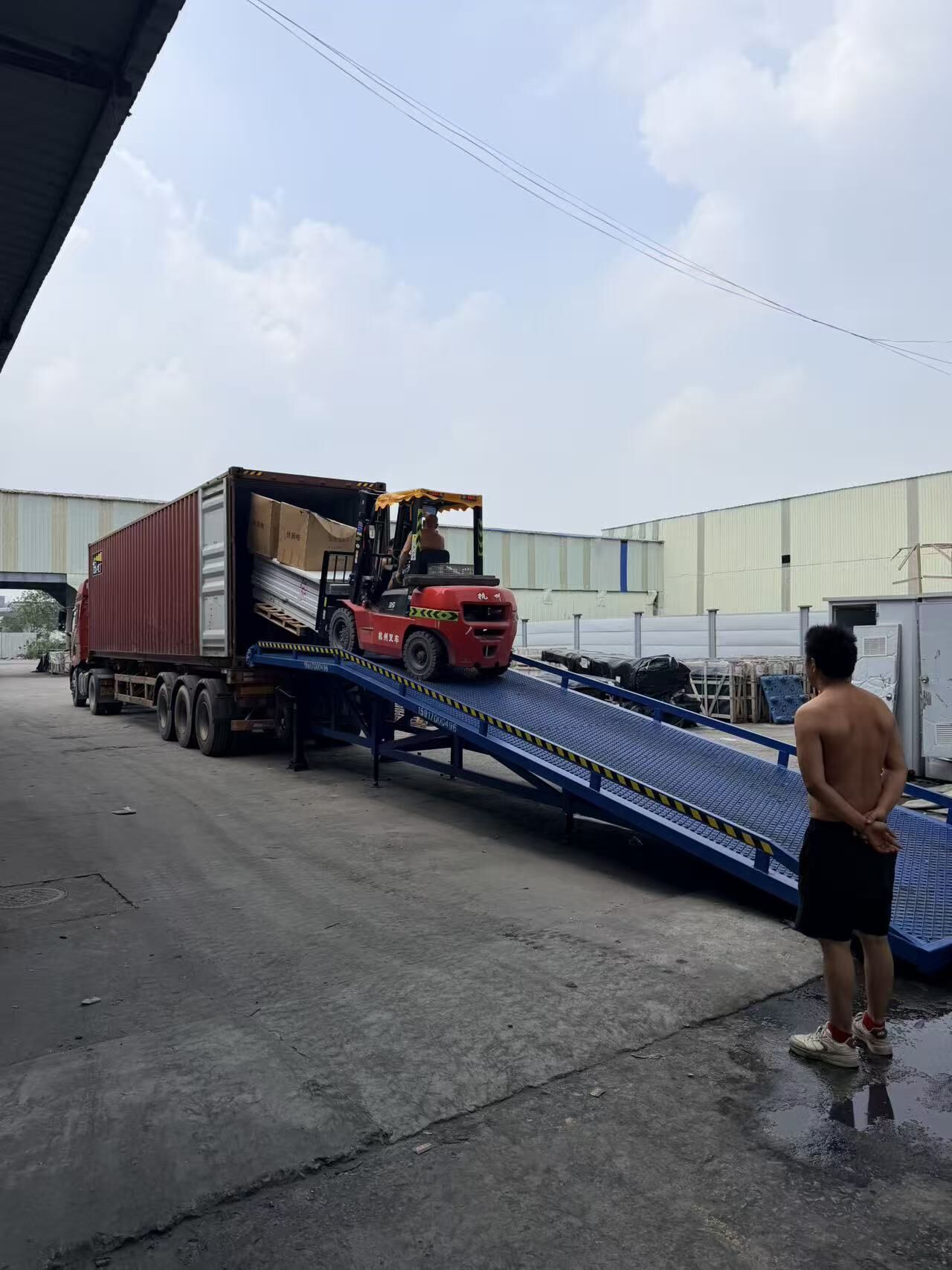
Some trips look glamorous from the outside. This one involved a lot of cardboard, a forklift, and a loading ramp, and it was one of the most satisfying trips I've made.
I flew from Beijing to Guangzhou on an evening flight, landing to a sea of city lights and a warehouse schedule I had been planning for weeks. Over the next three days I loaded four containers, met with the banks and suppliers I partner with, and made sure every client's goods left China exactly the way I promised they would.


Why I show up in person
People ask why I fly out to load containers myself when I could simply send instructions and wait for photos. My answer is simple: photos show you what someone chooses to show you. Being on the ground shows you everything.
Every container carries the money, the trust, and the business plans of the people who ship with me. Being present when their goods are loaded is how I keep the promise that what was ordered is what arrives.
Planning starts weeks before the flight
The trip really began long before I boarded. I spent time with my shipping company confirming dates, container availability, and loading schedules. I also spoke with each supplier about when their goods would be ready and how they would reach the warehouse.
Before I commit to a shipping partner, I check three things:
- Capacity. Can they deliver on the dates I need, including when I want to load several containers back to back?
- Warehouse space. Do they have enough room to receive, sort, and hold goods from multiple suppliers without things getting mixed up?
- Manpower. Do they have enough hands to handle any number of containers I throw at them?
I don't take these answers on trust. I ask detailed questions, and when I visit I look at the warehouse and the team myself. A partner who is confident about their capacity will happily show you. That is how I know my clients' goods are in safe hands, and that I can scale up whenever a client needs me to.
Shipping marks: the system that keeps everything straight
When several clients' goods share a loading schedule, identification is everything. I sit down with the shipping company and agree on shipping marks for each client's items before anything is packed. Each client's cargo gets its own clear mark, so from the moment goods leave a supplier's factory to the moment they're unloaded at destination, everyone knows exactly whose they are.
My instructions to suppliers
I give suppliers clear, specific packaging and delivery instructions, and I put them in writing. In short:
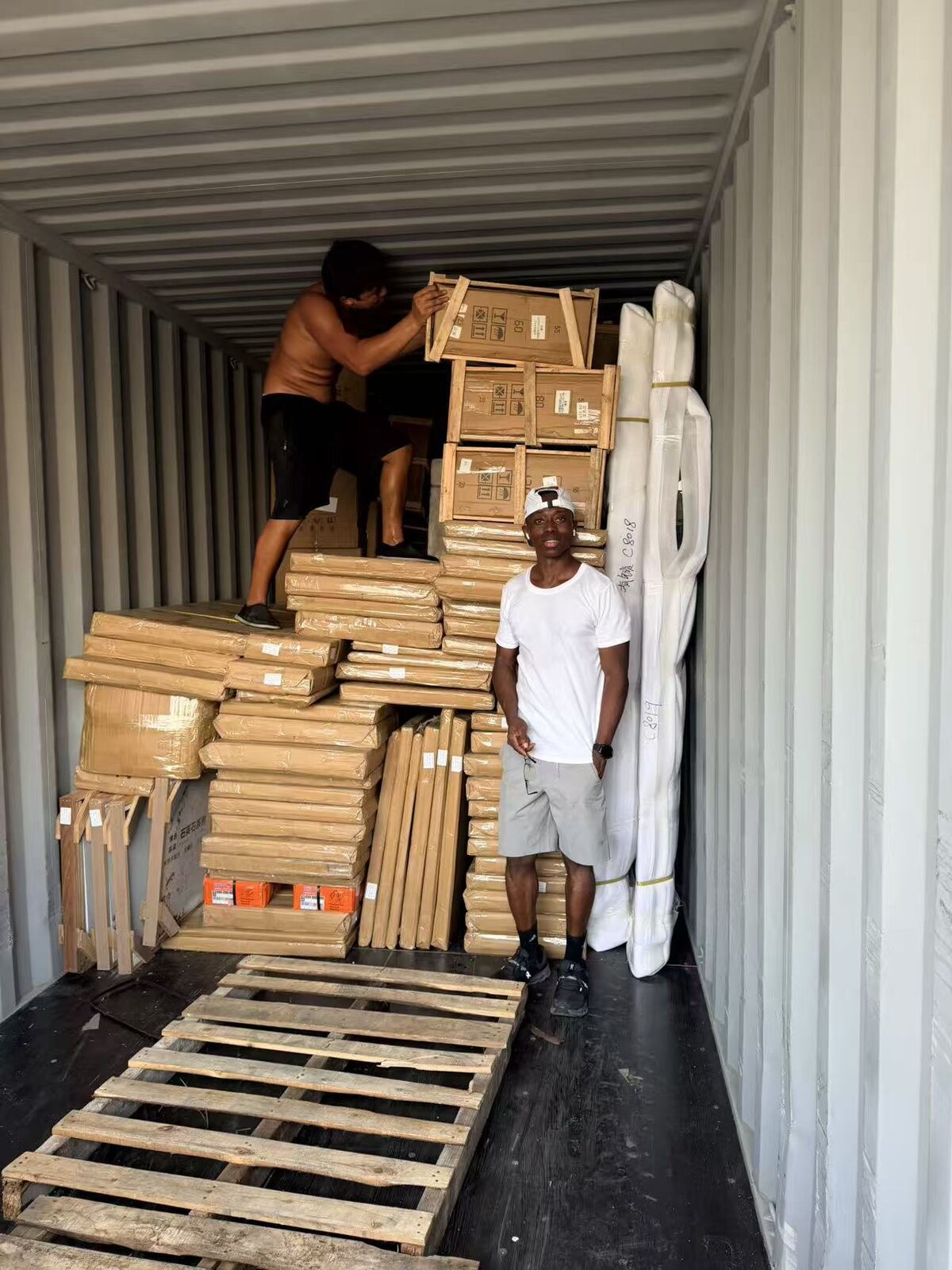
- Pack for the journey, not just for the shelf. Containers get moved, stacked, and jostled. Fragile items need proper protection, and heavy items need strong outer packaging. In the container I loaded, glass and delicate pieces were crated in wood, while flat items were wrapped and stacked carefully.
- Label everything on multiple sides. Every carton, crate, and bundle carries its shipping mark and item details clearly. I want any item identifiable no matter how it's packed, whether it's in a crate, wrapped in protective film, or bundled into a long roll. If a label is hidden by the way something is stacked, it should still be visible on another side.
- Match the packing list. Every item's labelling should correspond exactly to the packing list, so anyone can check it off at a glance.
- Deliver on schedule. Late deliveries throw off the whole loading plan, so I agree delivery windows with each supplier in advance.
Making sure nothing goes missing
During loading, I keep the packing list in my hand and check items off as they go in. As the team loads, I count, read labels, and match each one against the list. When something doesn't match, I stop and sort it out on the spot, not after the container is sealed and on its way.
It takes patience and it's not exciting, but it's the reason my clients don't get unpleasant surprises at the other end. A missing carton discovered in the warehouse can be fixed. One discovered after the container has sailed becomes a serious problem.
Working with people at every level
This is the part of the job nobody teaches you. On any given day I might be in a meeting with a shipping company's management team, well-educated professionals who talk in schedules, documents, and logistics, and an hour later I'm on the warehouse floor working with loaders who may have very little formal education but who know exactly how to pack a container well.
I've learned to respect both, and to adjust how I communicate with each:
- With management, I'm structured. I confirm things in writing and I agree timelines and responsibilities clearly.
- With the loaders, I'm simple, direct, and visual. I point, demonstrate, and show what I want. If I need certain items on the bottom, or certain goods kept separate, I show them exactly how. I don't assume they will guess my requirements.
In both cases, the principle is the same: never assume you've been understood. I repeat the key instructions, confirm they've landed, and check the work as it happens. And I treat everyone with respect, because the loaders are the ones whose hands physically protect my clients' goods. People work harder and more carefully for someone who values what they do.
Beyond the warehouse
Loading wasn't the only item on the agenda. During the three days I also met with the banks and suppliers I work with. These relationships matter because they're how I make sure clients get the best service at a cost that stays affordable. Good partners make good shipping possible, and face-to-face time keeps those relationships strong.
How it went
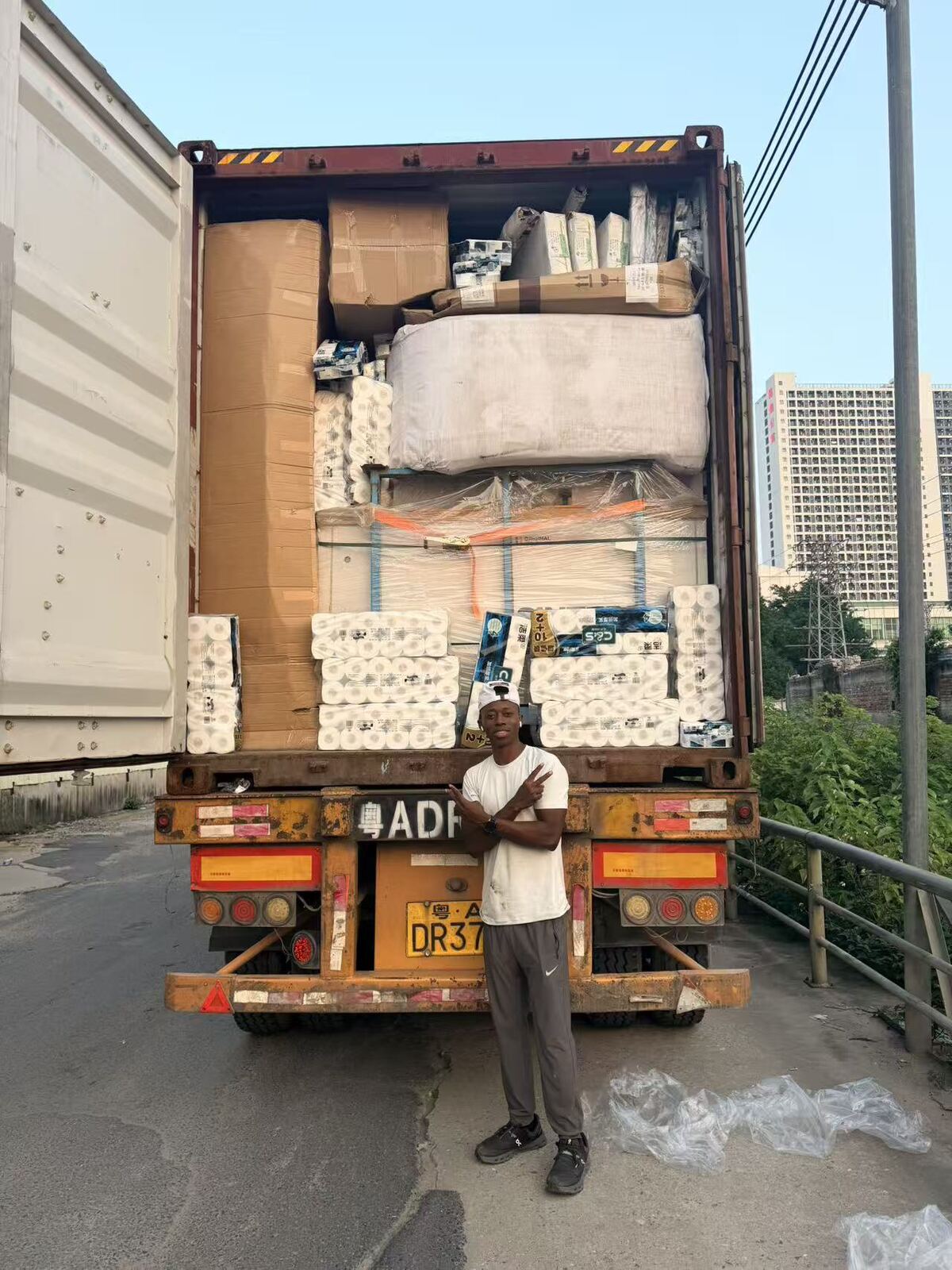
Four containers loaded in three days, every item accounted for, and every client's goods packed, marked, and secured. Watching the last container get its doors closed after a long day of checking, counting, and coordinating is a feeling I never get tired of.
What I took away
If you import goods, or you're thinking about it, here are the lessons I'd pass on:
- 1Vet your shipping partner's capacity before you need it.
- 2Agree shipping marks early and make them impossible to misread.
- 3Put your packaging and delivery instructions in writing.
- 4Check the packing list during loading, not after.
- 5Communicate clearly at every level, and respect everyone in the chain.
- 6Whenever you can, be there.
There's no substitute for being present. Now, on to the next shipment.
Have goods to source, procure or ship?
Tell us your product, quantity and destination on WhatsApp, and we'll take it from there.